
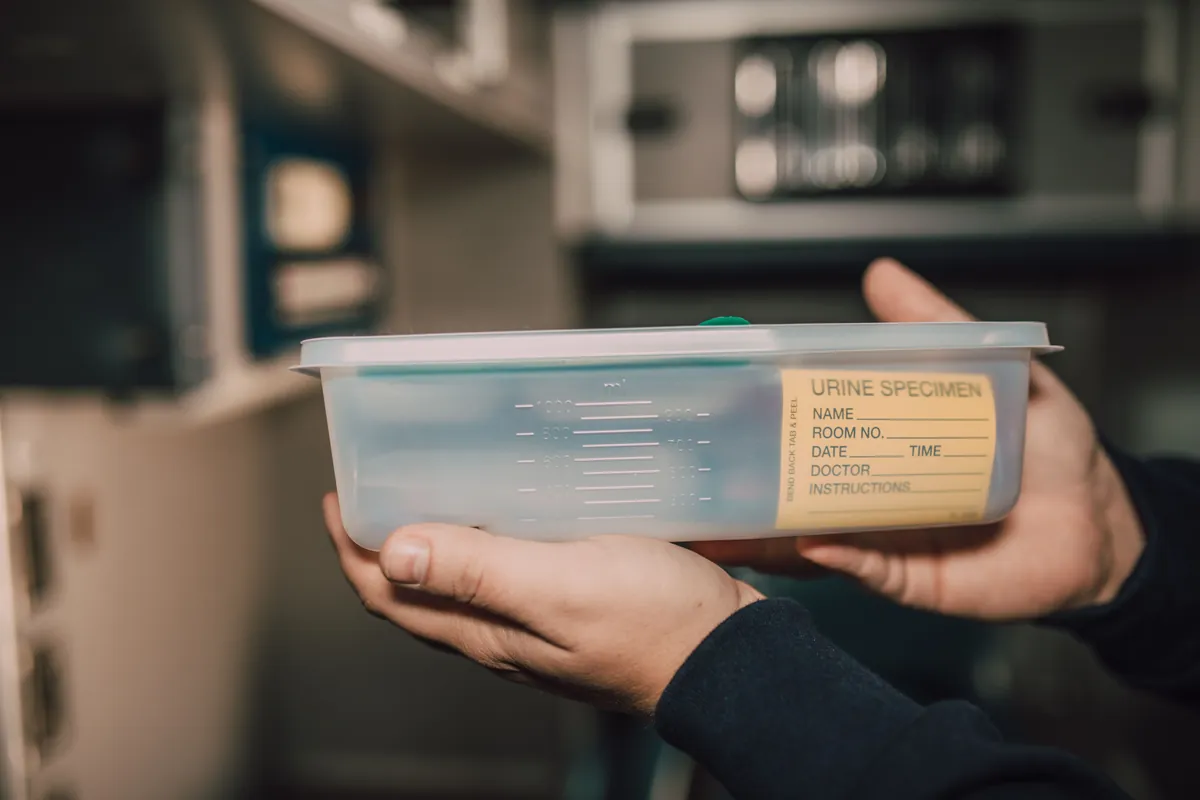
The bottom line: frequent urination at night in men is not always a prostate problem. Prostate enlargement is common, especially after 50, but night-time urination can also come from overactive bladder, urinary infection, diabetes, excess evening fluids, alcohol or caffeine, sleep apnea, kidney disease, heart-related fluid retention, or medicines such as diuretics. The right treatment depends on finding why you are waking up, not just reducing urine frequency with random tablets.
What Counts as Frequent Urination at Night?
Waking up once at night to pass urine can happen occasionally, especially after drinking more fluids late in the evening. But if you wake up two or more times on most nights, and it affects sleep, energy, work, or mood, doctors often call it nocturia.
Nocturia is not a disease by itself. It is a symptom. The cause may be inside the urinary system, such as prostate enlargement or bladder overactivity, or outside the urinary system, such as diabetes, sleep apnea, heart disease, kidney disease, leg swelling, or medicine timing.
This is why the first step is not simply asking for a prostate tablet. The first step is to understand your pattern: are you producing too much urine at night, waking because of bladder urgency, struggling to empty because of prostate obstruction, or waking for sleep reasons and then passing urine because you are already awake?
Common Causes in Men
Frequent urination at night in men usually falls into a few common groups. More than one cause can exist at the same time, especially in older men or patients with diabetes, high blood pressure, obesity, prostate enlargement, or sleep problems.
Common causes include:
- Enlarged prostate, also called BPH, where urine flow becomes slow or incomplete.
- Overactive bladder, where urgency and frequency happen even when the bladder is not full.
- Urinary tract infection or prostatitis, especially if there is burning, pain, fever, or pelvic discomfort.
- Diabetes, where high blood sugar can increase urine production.
- Evening intake of water, tea, coffee, alcohol, or high-salt meals.
- Diuretic medicines, especially if taken late in the day.
- Sleep apnea, where repeated sleep disturbance can be linked with night-time urination.
- Kidney disease, heart failure, or leg swelling, where fluid shifts back into circulation when lying down.
How Prostate Enlargement Causes Night Urination
In men, prostate enlargement is one of the most common urinary causes of night-time urination. As the prostate grows, it can press around the urine passage and make bladder emptying slower or incomplete.
When the bladder does not empty well, the remaining urine can make you feel the urge again sooner. The bladder muscle may also become overactive after working against resistance for a long time.
If you also have weak urine flow, straining, waiting before urine starts, stop-start urine stream, dribbling, or a feeling of incomplete emptying, read more about prostate problems treatment.
One useful detail: prostate size alone does not always match symptom severity. Some men with a large prostate have mild symptoms, while some men with a smaller prostate have very troublesome urinary frequency.
When It May Be a Bladder Problem
If the main symptom is sudden urgency, frequent urination in the day and night, or leakage before reaching the toilet, the bladder itself may be overactive. This can happen with or without prostate enlargement.
Bladder-related nocturia is often described as waking suddenly with a strong urge to pass urine. The urine amount may be small. Some men also avoid travel, meetings, or sleep because they worry about finding a toilet quickly.
For symptoms like urgency, leakage, frequent urination, or incomplete bladder control, you can also review bladder problems treatment.
When Diabetes, Sleep, or Medicines Are Involved
Not all night urination starts in the prostate or bladder. If your body makes too much urine at night, you may pass a good amount each time you wake. This is different from urgency with only a small urine volume.
Diabetes can cause frequent urination when blood sugar is high. Sleep apnea can disturb sleep and is also linked with night-time urination. Swelling in the legs can shift fluid back into the blood when you lie down, making the kidneys produce more urine at night.
Medicines matter too. Diuretics or water pills, often used for blood pressure, swelling, or heart conditions, can increase urine output. Sometimes changing the timing under medical guidance helps. Do not stop these medicines on your own.
Warning Signs You Should Not Ignore
Frequent urination at night should be evaluated earlier if it is new, worsening, or associated with other symptoms. Some signs may suggest infection, blockage, stones, kidney issues, or a more serious prostate condition.
See a doctor promptly if you have:
- Blood in urine.
- Burning urine, fever, chills, or lower abdominal pain.
- Severe urgency with leakage.
- Weak stream, straining, or inability to pass urine.
- Unexplained weight loss, bone pain, or persistent pelvic pain.
- Excessive thirst, fatigue, or sudden increase in urine volume.
- Known diabetes, kidney disease, heart disease, or a single functioning kidney.
Tests That Help Find the Cause
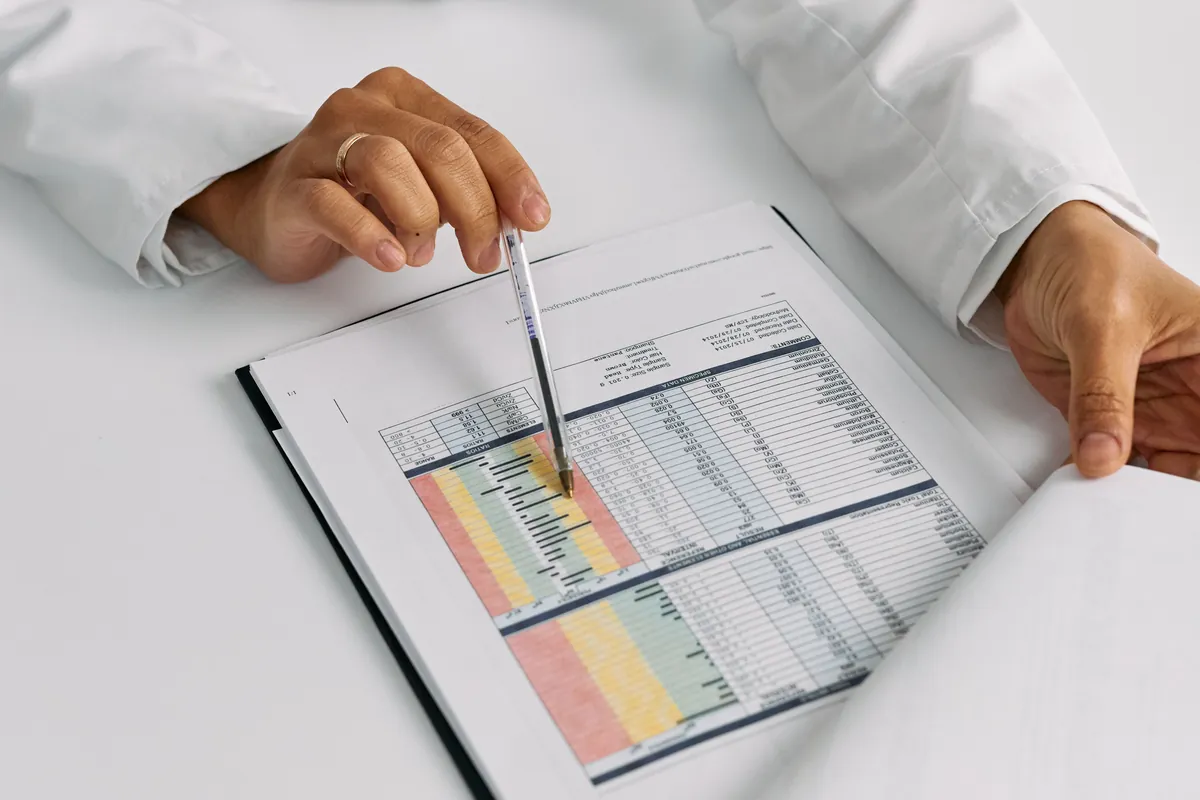
The most useful evaluation starts with a proper symptom history. Your doctor may ask how many times you wake, how much urine you pass, how much fluid you drink in the evening, whether you snore, whether your legs swell, and whether you have weak urine flow or urgency.
A simple bladder diary for two to three days can be very helpful. It records fluid intake, urine timing, urine volume, sleep timing, and night-time episodes.
Depending on symptoms, tests may include:
- Urine routine and culture to check infection, sugar, blood, or protein.
- Blood sugar testing if diabetes is suspected.
- Kidney function tests when urine volume, swelling, or kidney risk is present.
- Ultrasound KUB with prostate size and post-void residual urine.
- Uroflowmetry to measure urine flow strength.
- PSA testing in selected men after age and risk discussion.
- Sleep evaluation if snoring, daytime sleepiness, or suspected sleep apnea is present.
What You Can Try Safely at Home
Some changes can reduce night-time urination, especially when symptoms are mild and there are no warning signs. These steps work best when they match the actual cause.
Useful first steps include:
- Reduce fluids two to three hours before bedtime, unless your doctor has advised otherwise.
- Avoid tea, coffee, cola, and alcohol in the evening.
- Pass urine once before sleeping.
- Raise legs in the evening if you have leg swelling, after medical advice.
- Discuss diuretic timing with your doctor if you take water pills.
- Track symptoms in a bladder diary for a few days.
- Do not start prostate, bladder, or antibiotic medicines without diagnosis.
Treatment Depends on the Cause
Treatment for nocturia in men is not one-size-fits-all. If the cause is prostate enlargement, medicines or prostate treatment may help. If the cause is overactive bladder, bladder-directed medicines and bladder training may be considered. If infection is present, urine culture-guided treatment is important.
If diabetes, kidney disease, heart-related fluid retention, or sleep apnea is the driver, treating only the prostate may not improve the night-time urination. This is why evaluation matters before treatment.
Patients searching for the Best urologist in Gurgaon for frequent urination at night, weak urine flow, urgency, prostate symptoms, or bladder problems can consult Dr Vikram Barua Kaushik at Urowellness Clinic.
Urowellness Clinic is a urology clinic in Gurgaon where Dr Vikram Urologist, a urologist and robotic surgeon, reviews urinary symptoms, bladder diary, urine tests, uroflowmetry, ultrasound findings, prostate size, residual urine, and medical risk factors before planning treatment.
If night-time urination is disturbing your sleep or becoming more frequent, book a consultation for a clear diagnosis and next-step plan.
The Takeaway
Frequent urination at night in men can come from the prostate, bladder, diabetes, sleep apnea, medicines, kidney disease, heart-related fluid balance, or evening habits.
The most practical approach is to identify the pattern first: weak flow and incomplete emptying, urgency with small urine amounts, large night-time urine volume, or sleep disruption. Once the cause is clear, treatment becomes more precise and more likely to help.
Resources
- Urinating More at NightMedlinePlus
- Management of Non-neurogenic Male LUTSEAU Guidelines
- Prostate ProblemsNational Institute on Aging
 FAQs
FAQs
Frequently asked questions
Frequent urination at night in men can happen because of enlarged prostate, overactive bladder, urinary infection, diabetes, excess evening fluids, alcohol or caffeine, diuretic medicines, sleep apnea, kidney disease, heart-related fluid retention, or a mix of causes.